


Mental Health
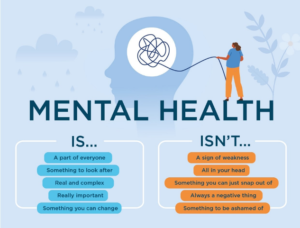
Should you dare to mention the term ‘mental health’ or conditions like depression or anxiety in a social conversation, you immediately raise eyebrows!! Not to mention ‘psychotherapy’, ‘psychologist’ or ‘councillor’??!! Mental health is stigmatized to the level of people rather ignoring warning signs and symptoms rather than addressing it and being able to resolve issues and live a balanced, happy life thereafter. Suffering from symptoms of ill mental health or even being diagnosed with a mental health condition is not a death sentence or something we should feel ashamed of!
‘Mental health includes our emotional-, psychological-, and social well-being. It affects how we think, feel, and act. It also helps determine how we handle stress, relate to others, and make choices. Mental health is important at every stage of life, from childhood and adolescence through adulthood.’ (www.mentalhealth.gov, 2022)
Different events or experiences throughout the course of our lives can affect our thinking, mood and or behaviour. Our response to these events is also determined by our genetic makeup and unfortunately, a family history of mental health conditions may predispose and increase our risk of developing it. However, we now know that help is available and mental health can absolutely be treated, managed, and even cured.
The following may be early signs of a possible problem or underlying illness:
- A change in eating or sleeping habits – an increase or decrease may be significant.
- Isolation; avoiding social activities, gatherings, or interaction with others.
- Lack of energy or motivation.
- Feelings of worthlessness.
- Blunted emotions or being highly strung.
- Unexplainably ‘feeling ill’ all the time or suffering from random aches and pains.
- Feeling hopeless or ‘not having a purpose’.
- An unusual increase in smoking, drinking or the use of other drugs.
- Having a ‘foggy’ mind; being forgetful, irritable, anxious, overly concerned or disorientated.
- Changes in behaviour and interaction with close friends and/or family.
- Unexplained or inappropriate mood swings.
- Recurring, unrealistic thoughts.
- Thoughts of harming self or others.
- When normal daily functionality regarding common tasks decrease, are affected, or become an ‘effort’.
Looking after our mental health enables us to live life to our full potential, cope better when difficulties come our way, perform our daily responsibilities and also, make a positive contribution towards others and our communities.
Should you yourself suffer or if you know about somebody that may benefit from help in this regard, speak to your doctor, get professional help, activate your support systems, and develop coping mechanisms and a healthy mental lifestyle you can maintain and excel at.
– www.mentalhealth.gov; www.planstreetinc.com; https://www.priorygroup.com/mental-health –
https://www.planstreetinc.com/keep-an-eye-on-your-mental-health-for-a-healthier-life/
0 Comments